Highfield Door SpecialistsService bulletin 2 of 3
Sectional Garage Door Replacement: what the visit covers
The service closes with more than a newly installed door.
Toronto, Ontario · Garage Doors · open 24/7
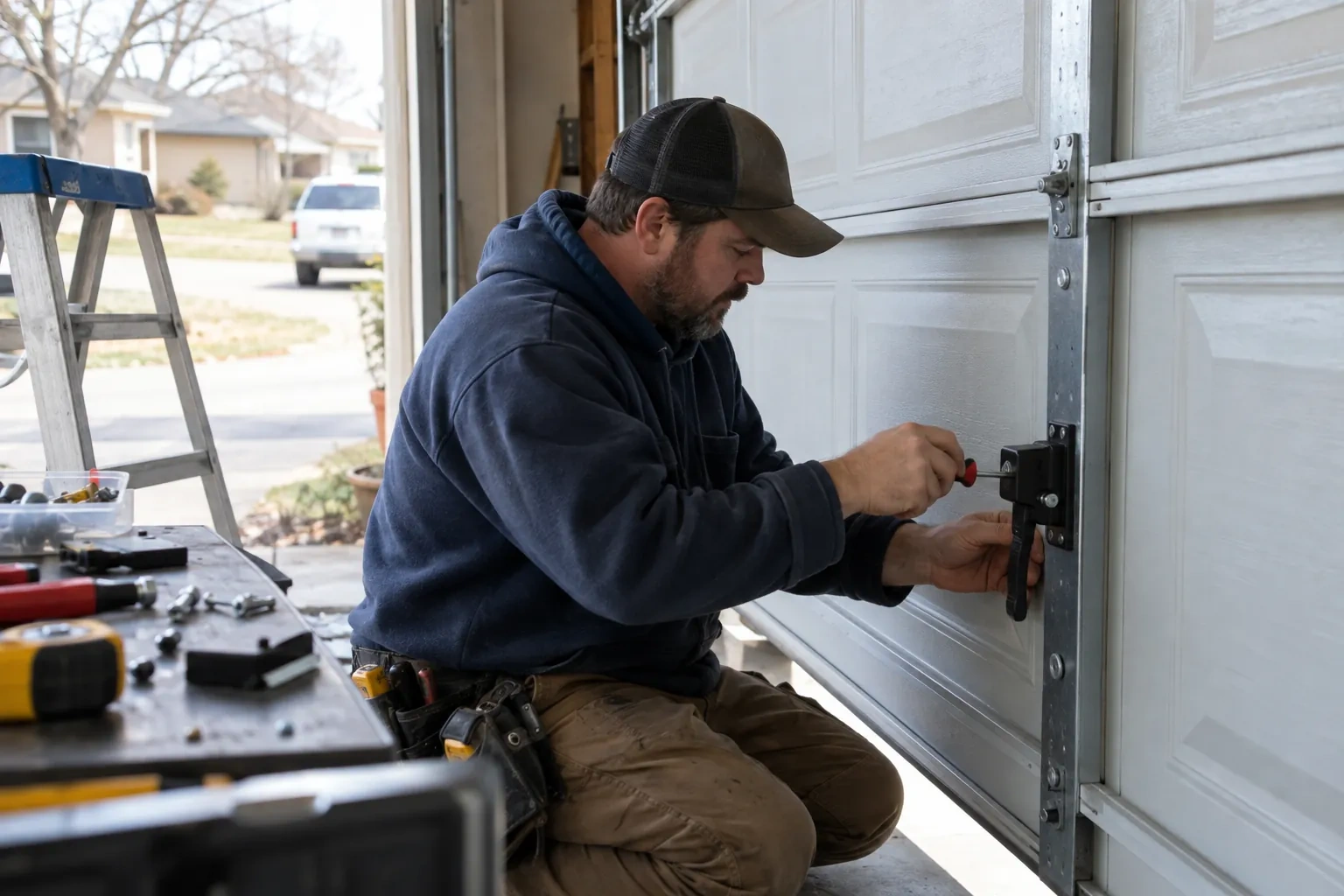
The service closes with more than a newly installed door. Labels and ordered options are checked against what arrived, the finished assembly is tested manually and under power, and the customer is shown how to operate the release and use safe gripping points. Product information and component details are kept for later reference. This documented handover makes the new door easier to understand and maintain, while confirming that the selected sections, track, counterbalance, seals and operator interface are working together.
Confirming access and project logistics
Before ordering, the technician reviews how sections and long track pieces will reach the opening, where the old door can be staged and what needs moving around the work area. Ceiling storage, parked equipment, finished walls and shared access can influence sequencing. The plan also identifies who handles disposal, electrical work or opening preparation. Clear logistics protect the selected materials and let the written scope distinguish the door installation from other renovation responsibilities.
Installing the counterbalance assembly
Lift cables are routed and seated on their drums or pulleys, with bottom fixtures kept under controlled handling. The torsion or extension spring system is mounted using the supplied brackets, shaft supports, containment parts and matched hardware. Trained technicians apply tension in the prescribed sequence, watching cable tracking on both sides. Because the counterbalance is selected for the completed door weight, its setup aims for stable, manageable manual movement throughout the travel range.
Simple observations between service visits
No special tools are needed for regular owner checks. From a safe distance, look for cables that have changed position, loose-looking hardware, rollers leaving their expected path or new gaps around the closed door. Listen for a new scrape and notice whether manual balance feels different during a scheduled test. Springs, cables and bottom fixtures remain technician-adjusted components; reporting a change gives the service visit a precise starting point.