Book soon Openers · Toronto
Belt-Drive Opener Repair
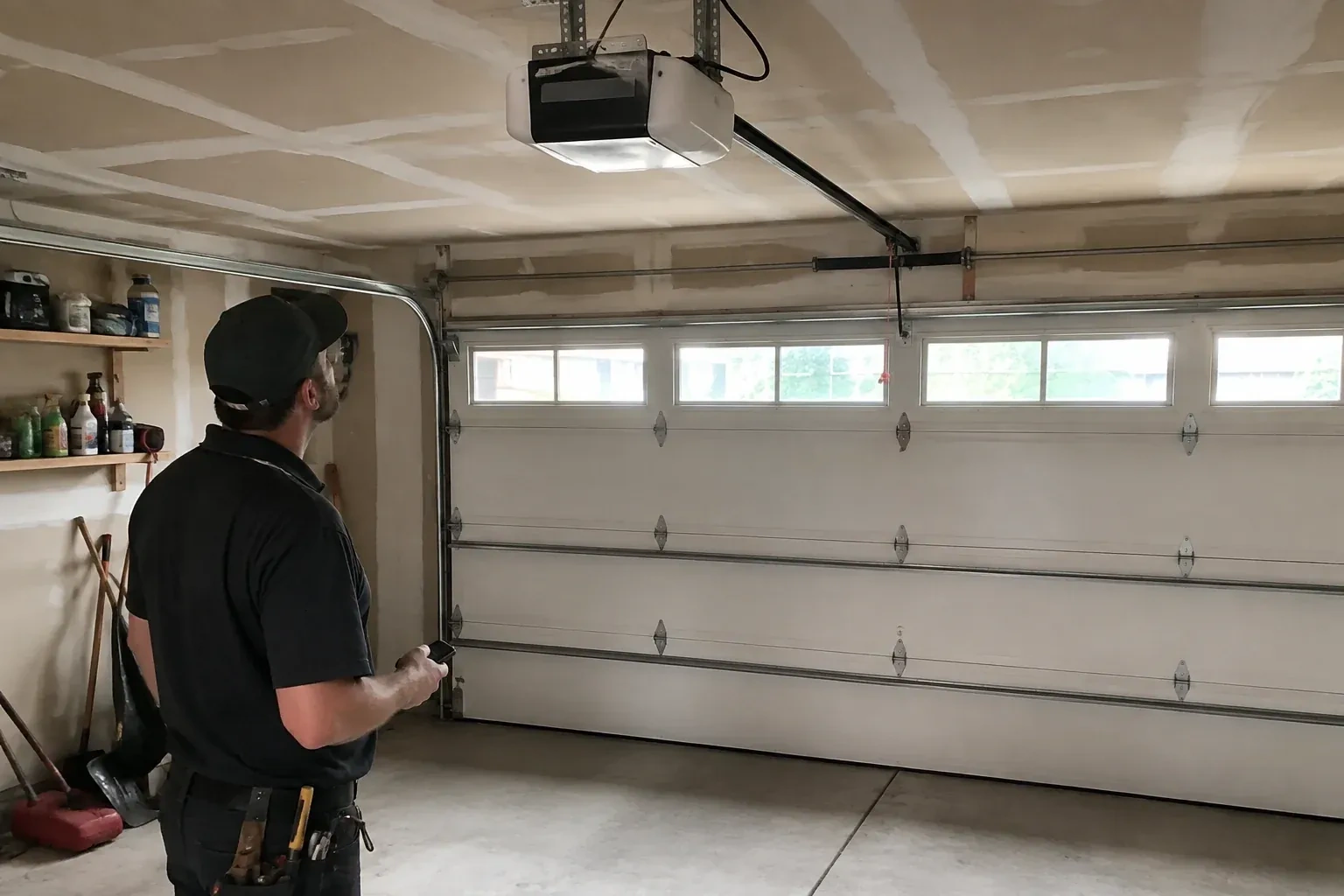
After the power came back you pulled the red cord to get the car out. Since reconnecting, the door stops short of the floor, and no amount of turning the limit adjustment brings it the rest of the way down.
Call now · open 24/7(289) 804-6661Right now
Before the door is looked at
Call (289) 804-6661, open 24/7.
Pull the release with the door fully closed whenever possible, and keep the opening clear as you do. Once the trolley lets go, the door is held by its springs alone, and a closed door can still shift unexpectedly.
Never raise the force setting to push a door through a frozen seal, a stiff track or a tired spring; force is set as low as reliably closes the door, and the reason the door is hard to move is fixed instead.
In plain words
Winter is a good season to have a belt drive looked at. Rubber stiffens in a cold detached garage, so a belt tensioned on a warm day can run tight and noisy in January, and a bottom seal frozen to the slab makes the operator reverse before the door has moved. Belt-drive opener repair in cold weather sets tension to the maker's specified measurement, frees a trolley release that has stiffened, frees a door frozen to the floor before the opener moves it, and puts a cold-rated lubricant on the door hardware. The belt stays dry; the hinges, rollers and springs get the care.
How the visit goesAfter the power came back you pulled the red cord to get the car out. Since reconnecting, the door stops short of the floor, and no amount of turning the limit adjustment brings it the rest of the way down.
Belt-Drive Opener Repair · Toronto
How the visit goes
- 1
Sprocket, pulley and the shavings that give them away
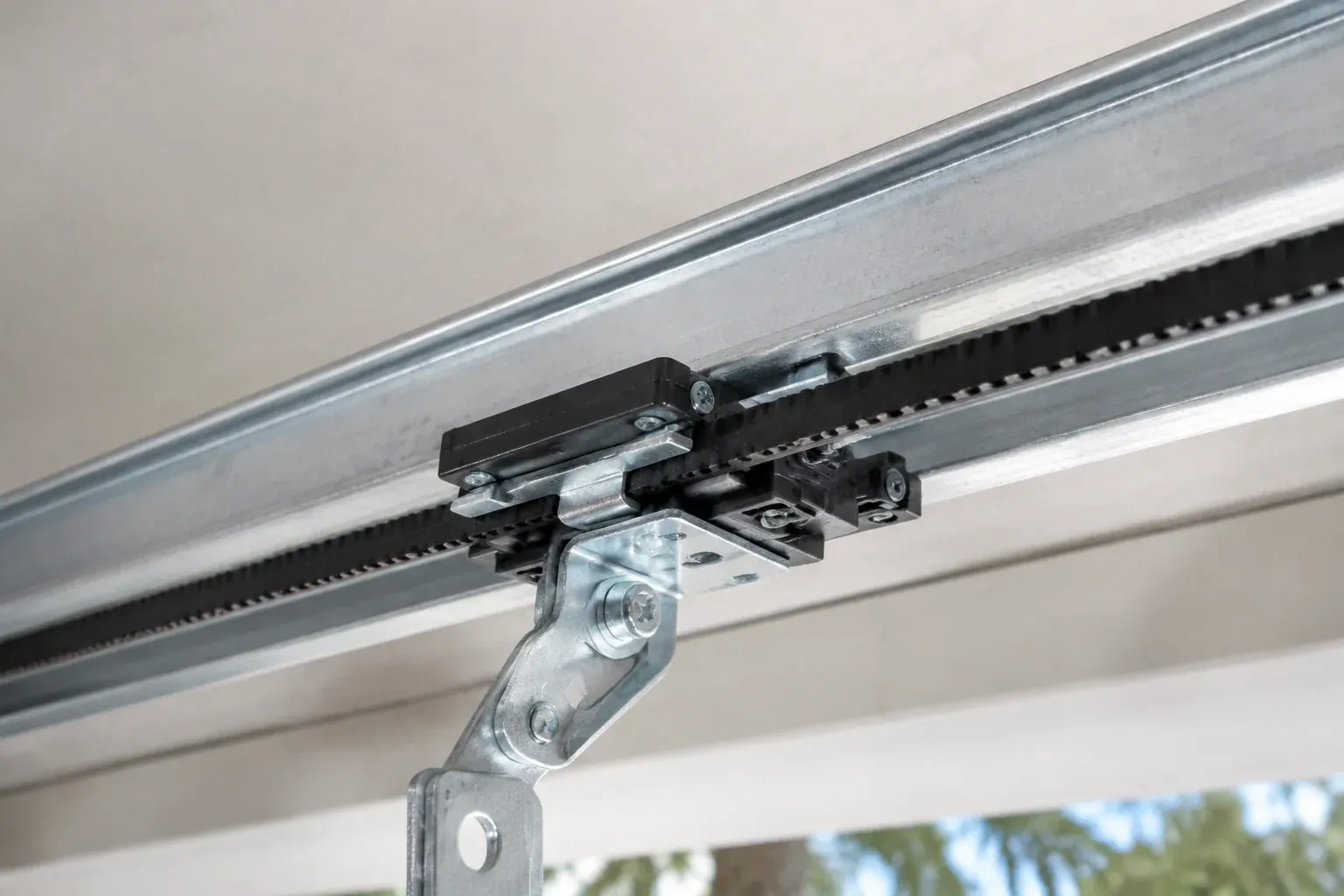
The belt runs over two wheels: a drive sprocket on top of the motor head and an idler pulley at the far end of the rail. The technician looks at the sprocket's teeth for hooking and wear, feels for wobble on its shaft, and checks the housing below it for the plastic shavings that mean the drive gear inside is stripping. At the front, the idler pulley is spun by hand for roughness or a dry bearing and sighted along the rail to see whether it is letting the belt track off to one side. A worn sprocket chews a new belt within months, so this check decides whether the gear-and-sprocket kit belongs in the repair.
- 2
Gear and sprocket at the motor head
When the shavings on the housing say the drive gear has stripped, the head unit's cover comes off and the gear-and-sprocket kit is replaced as a set. The belt is lifted off the sprocket, the old sprocket shaft and worm gear are withdrawn from the housing, the new gear is greased with the light grease the maker names and fitted with its bushings, and the sprocket is set back on top. The technician checks the motor shaft's end play, since too much play is often why the gear stripped in the first place. The belt is refitted, tensioned and phased, and the operator is run to confirm the sprocket turns true and quiet.
- 3
The two tests you do each month
The repair ends with the reversal tests run in front of you, and they are yours to repeat monthly. With the door fully open, lay a scrap of 2x4 flat on the floor where the door meets it, press the wall control and watch: the door should touch the wood and climb back to the top. Then, with the door closing, pass a broom handle through the beam near the floor; it should reverse the same way. Both take under a minute. If either test ever fails, stop using the operator, work the door by the red cord, and have a trained technician check it; the fault can be the settings, the sensors, the wiring or the opener itself.
In the van
- Inner and outer trolley
- Idler pulley and bearing
- Garage-door lubricant for hinges and rollers
- 2x4 offcut for the reversal test
- Photo-eye sensor pair
What affects the quote
- 1
Sensors and controls needing attention
Photo eyes out of alignment or too high, a wall control below the recommended height or a release handle out of reach are corrected during the visit and listed separately.
- 2
How far the technician drives
A garage on the edge of town and one down a long rural road take different time to reach, and that trip is a line of the quote.
- 3
A second operator on the same property
Where a double garage has two belt drives, or a workshop has its own, both can be looked at in one trip, and the quote shows the two repairs on a single visit.
Same fees day, night or weekend.
Belt-Drive Opener Repair: questions
The belt is fine in summer but stiff and noisy in winter. Why?
Rubber stiffens in cold, so a belt in a detached garage behaves differently at minus twenty than in July. Tension set on a warm day may run tight in deep cold, and a frozen bottom seal can make the operator reverse before the door has moved. The technician sets tension to the opener maker's specified measurement rather than the season, and puts a cold-rated lubricant on the door hardware.
Can the belt just be tightened, or does it need replacing?
Tightening is the first thing tried. Tension is set at the inner trolley by a square nut that compresses a spring to the length the maker specifies. If the belt reaches that setting and runs without sprocket noise, it stays. If the adjuster is wound to its end and the belt still sags, or the rubber is cracked, glazed or missing teeth, a new belt is the right repair.
I pulled the red cord during a power cut. Could that have caused this?
It can, if the door was open or out of balance when it was released. The release itself disconnects the trolley from the belt, so a falling door does not throw its weight onto the drive; the real risk is the door itself crashing down and damaging the tracks, hinges or panels. Nothing about the cord itself is harmful; it is designed to be used. The habit to keep is to release the door only when it is closed.
Openers & Access
Bigger photo, sooner job: Emergency Book soon Plan ahead
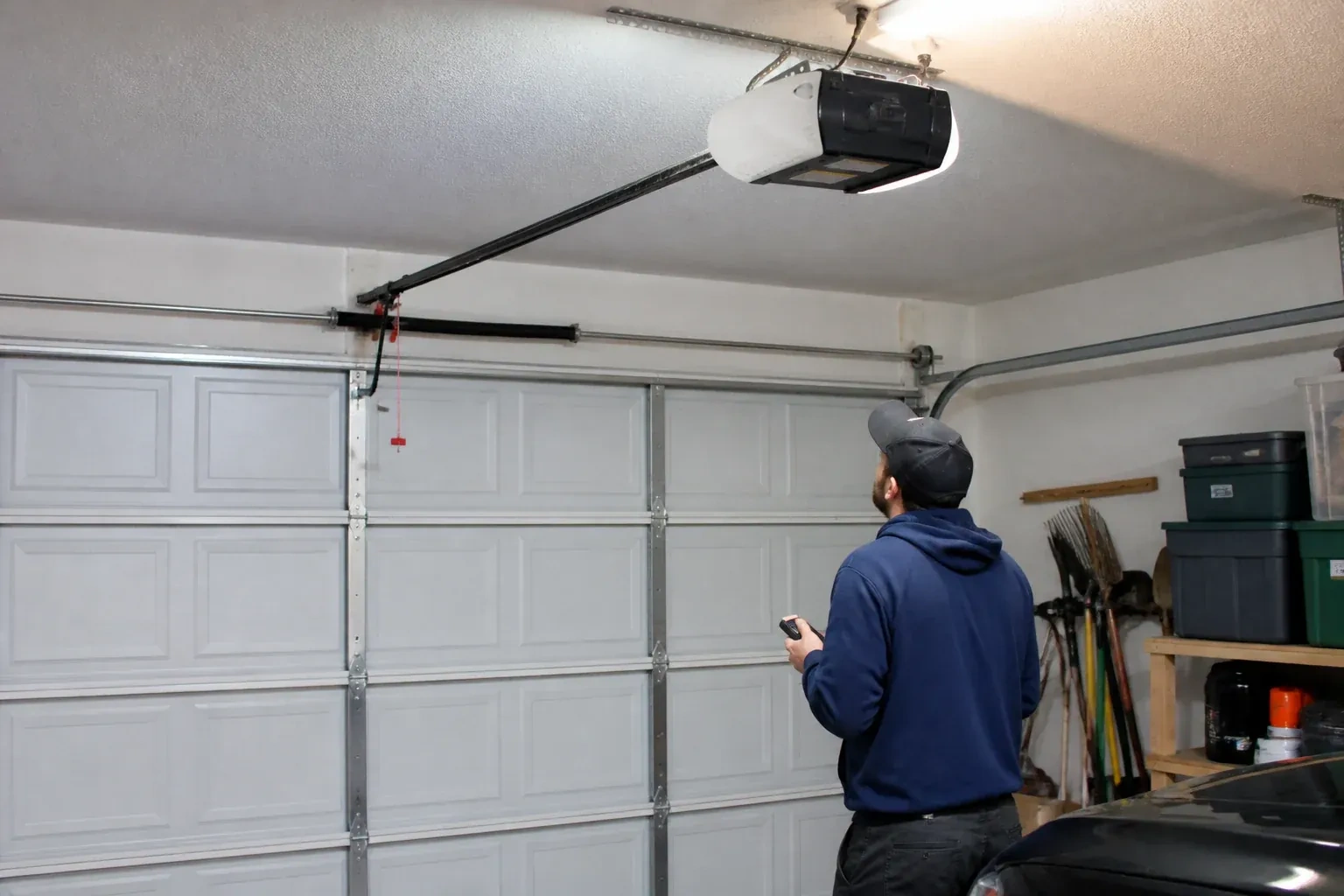 Book soonGarage Door Opener Diagnosis and RepairIt is a January morning and the door lifts about a hand's width, groans, and settles back down.
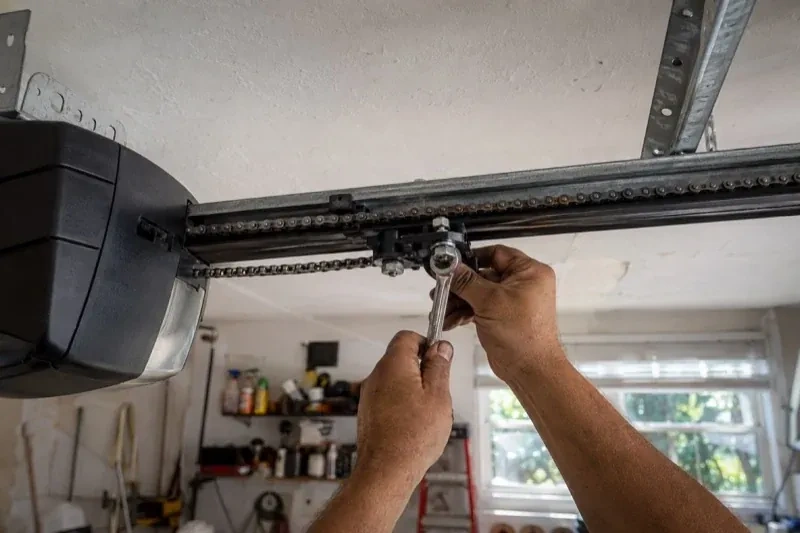 Book soonChain-Drive Opener RepairThe chain in the detached garage went orange with rust over the winter, the links are stiff, and the opener strains and groans to…
 Plan aheadGarage Door Opener Replacement
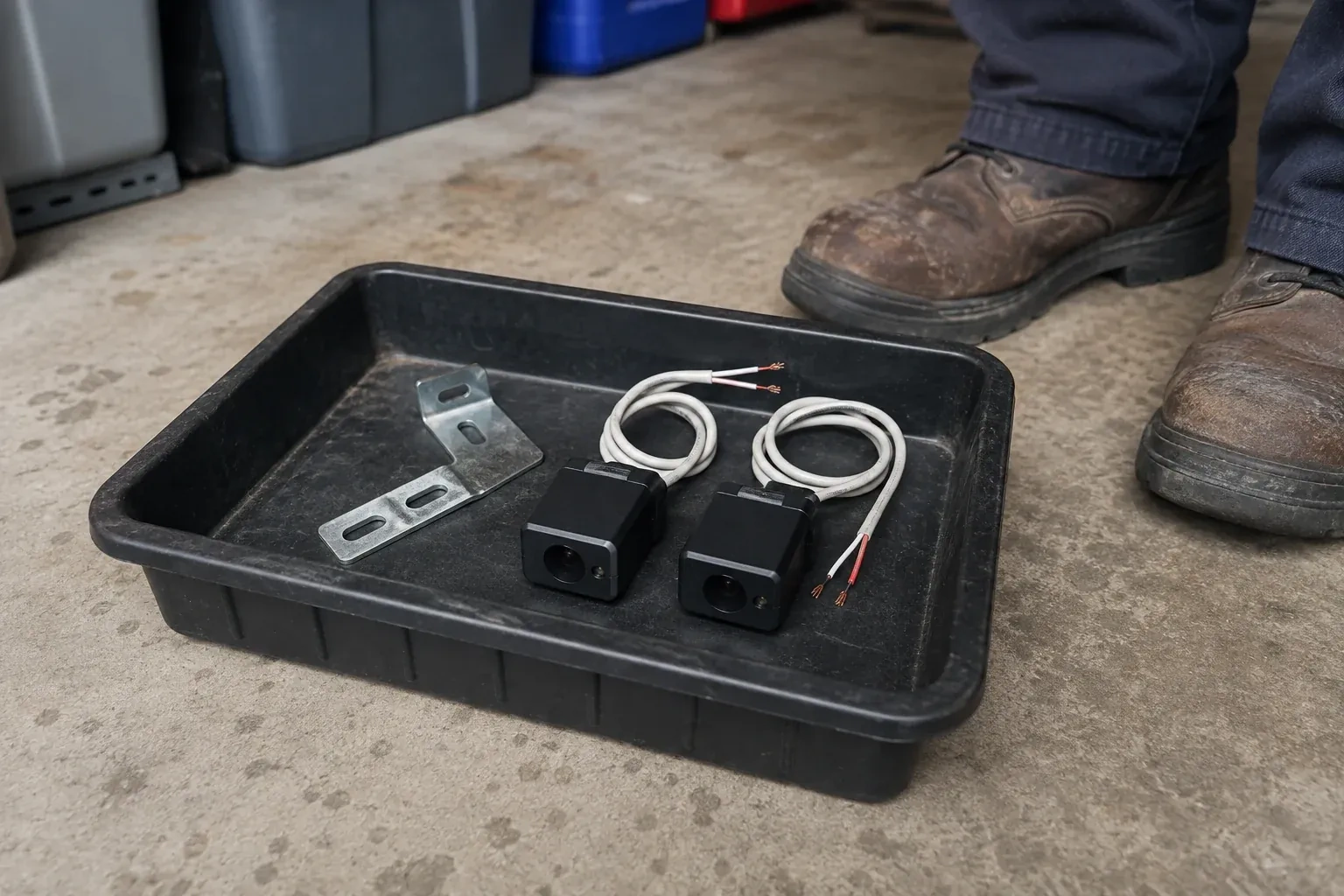 Book soonPhoto-Eye Sensor Alignment or ReplacementThe small light on one of the sensors near the floor has gone dark, or it flickers when someone walks past the track.
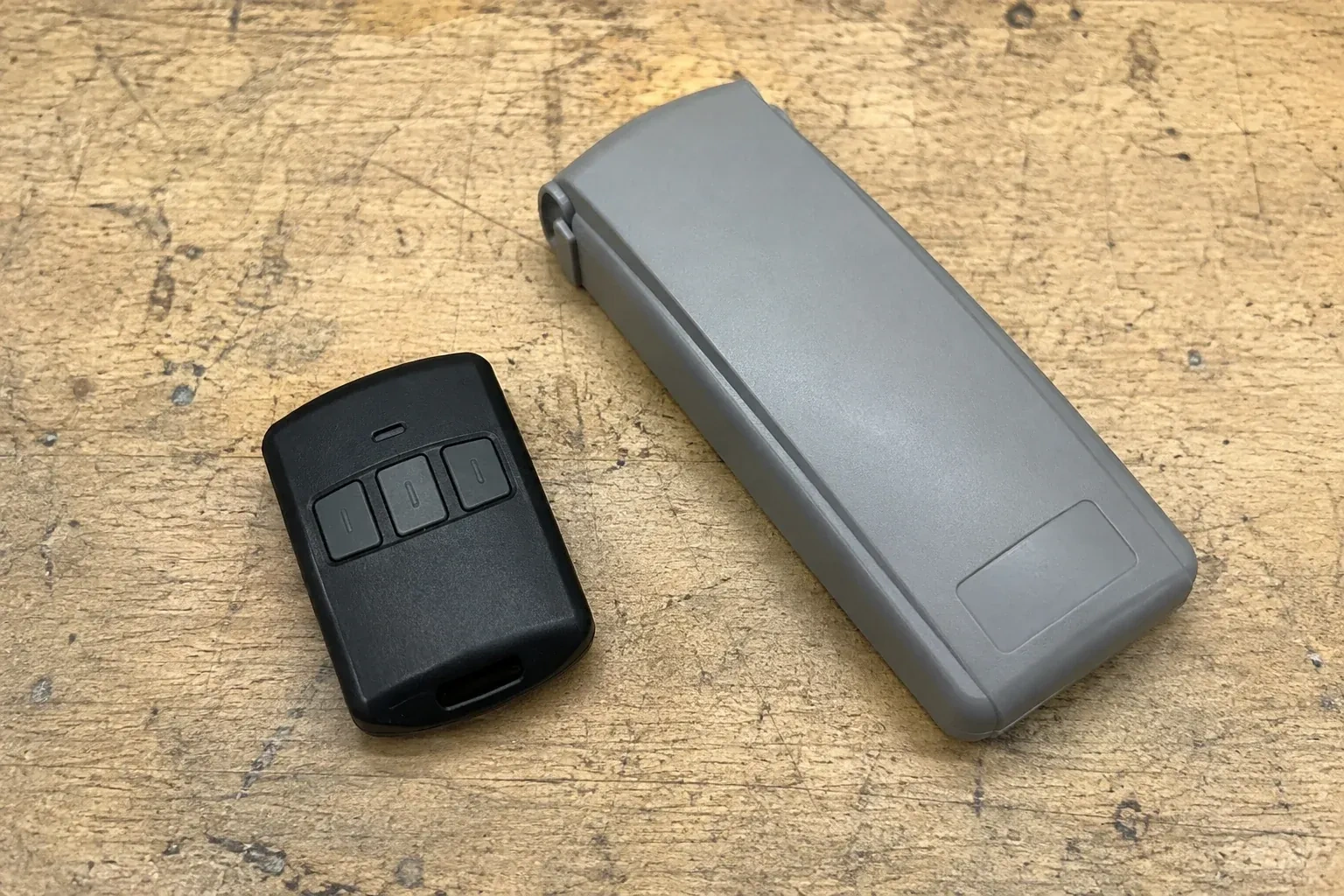 Plan aheadGarage Door Remote and Keypad Programming
Belt-Drive Opener Repair near you
Toronto, Ontario
Toronto information
- Town
- Toronto, Ontario
- In business
- 27 years
- Hours
- Open 24/7 · nights, weekends and holidays, same fees
- Phone
- (289) 804-6661
- Visits
- On-site assessment preferred. Request a visit or call.
What the census means at the door
58%
Older homes. About 58% of homes in Toronto were built in 1980 or earlier, according to the 2021 Census.
Where most houses were built a generation or more ago, a good share of garage doors are still the originals: wood or early steel sections on extension springs. Those doors respond well to fresh pulleys, safety cables and a careful balance, and the technician carries the parts for them.
23%
Single-detached houses make up about 23% of homes in Toronto (2021 Census).
Townhouses built in rows tend to have identical doors from the same builder, so when springs and openers age they do so together along the street. Owners often arrange service for several doors at once, and we can plan a single visit that covers the row.
Open 24/7
Request a visit
After the power came back you pulled the red cord to get the car out.
Call now · open 24/7(289) 804-6661- On-site assessment preferred
- Same fees day, night or weekend
- 27 years in business